Quick Answer: Key trends for 2026 include greater emphasis on early prevention, growing interest in collagen peptides backed by expanding research, integration of technology in monitoring joint health, and a shift toward multimodal management combining supplements, weight control, appropriate exercise, and veterinary care. The focus is moving from treating problems to preventing them.
The way we think about dog joint health is evolving.
Ten years ago, joint supplements were an afterthought. Five years ago, they were gaining traction. Now, proactive joint care is becoming standard practice among informed dog owners.
Here's what's shaping canine joint health in 2026.
Trend 1: Prevention Over Treatment
The shift:
Owners are increasingly starting joint support before problems develop, rather than waiting for symptoms.
Why this matters:
Cartilage damage is largely irreversible. By the time a dog shows obvious symptoms, significant wear has already occurred. Early intervention preserves joint health rather than trying to restore it.
What this looks like:
- Large breed dogs started on joint support early, with collagen suitable from 6 months of age
- Breed-specific prevention protocols
- "Wellness" supplementation becoming routine
- Less "wait and see," more proactive care
Our approach:
Pure Collagen is designed for exactly this: foundational support before problems develop.
Trend 2: Collagen Research Expansion
The shift:
Research into collagen peptides for joint health continues to grow, with more studies specifically examining canine applications.
What we're learning:
- Confirmation that hydrolysed peptides reach target tissues
- Better understanding of appropriate serving sizes
- Evidence for effects beyond joints (skin, gut, overall wellness)
- Growing acceptance in veterinary circles
Why this matters:
More research means better products, clearer guidance, and greater confidence in supplementation.
The validation:
What was once considered "alternative" is increasingly mainstream. Vets who were sceptical five years ago are now recommending collagen supplementation.
Trend 3: Technology Integration
The shift:
Technology is increasingly used to monitor and manage canine joint health.
Emerging tools:
- Activity monitors: Track movement patterns, detect changes early
- Gait analysis apps: Video analysis to identify subtle lameness
- Weight tracking integration: Smart scales linked to health apps
- Reminder systems: Subscription services ensuring consistent supplementation
Why this matters:
Early detection allows early intervention. Technology helps owners spot subtle changes they might otherwise miss.
The practical reality:
You don't need fancy technology. Consistent observation and a simple log work well. But for those who want data, options are expanding.
Trend 4: Multimodal Management
The shift:
Recognition that joint health requires multiple approaches working together, not a single "magic bullet."
The multimodal approach:
- Weight management (foundational)
- Appropriate exercise (maintain muscle, protect joints)
- Nutritional support (supplements providing building blocks)
- Environmental modification (ramps, rugs, orthopaedic beds)
- Veterinary care (when needed, including pain management)
Why this matters:
No single intervention works as well as a combined approach. Supplements support joints, but they work best alongside weight control and appropriate exercise.
Our position:
Collagen supplementation is one important piece. We're clear that it works best as part of comprehensive joint care, not as a standalone solution.
Trend 5: Personalised Approaches
The shift:
Moving away from one-size-fits-all toward recommendations based on individual dogs.
Factors being considered:
- Breed-specific risks
- Size and weight
- Activity level
- Age and life stage
- Existing conditions
- Individual response to interventions
Why this matters:
A German Shepherd's joint needs differ from a Chihuahua's. An agility dog differs from a companion dog. Personalised approaches improve outcomes.
How we approach this:
Our content addresses breed-specific needs. Our product range offers options for different situations. Serving size is based on individual dog weight.
Trend 6: Gut-Joint Connection Recognition
The shift:
Growing understanding that gut health and joint health are connected.
The science:
- Gut inflammation can contribute to systemic inflammation affecting joints
- Nutrient absorption depends on gut health
- The gut microbiome influences immune function, which affects joint inflammation
Why this matters:
Supporting gut health may indirectly support joint health. Products that address both have added value.
Our approach:
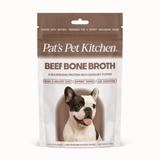
Beef Bone Broth supports both gut health (natural gelatin) and joints (collagen content), addressing this connection.
Trend 7: Sustainability Considerations
The shift:
Dog owners increasingly consider environmental impact alongside product effectiveness.
What this looks like:
- Interest in sustainably sourced ingredients
- Preference for minimal packaging
- Questions about production methods
- Local sourcing where possible
Why this matters:
Conscientious pet owners want products that align with their values. Sustainability is becoming a factor in purchasing decisions.
Our commitment:
Made in England, reducing transport impact. Sourced from grass-fed cattle. Minimal packaging without unnecessary extras.
Trend 8: Integration with Veterinary Care
The shift:
Better collaboration between supplement use and veterinary treatment.
The old approach:
Supplements used instead of vet care, or vets dismissing all supplements.
The new approach:
Supplements used alongside veterinary care. Vets increasingly recommending quality supplements. Owners informing vets about supplementation.
Why this matters:
Dogs get the best of both worlds: veterinary expertise for diagnosis and treatment, supplements for ongoing support.
Our recommendation:
Always work with your vet. Supplements complement veterinary care, they don't replace it.
What Hasn't Changed
Fundamentals remain constant:
- Weight management is still the most impactful intervention
- Consistent supplementation beats sporadic use
- Early intervention beats late treatment
- Quality ingredients matter more than marketing claims
- Individual dogs need individual approaches
The basics still work:
Don't get distracted by trends. A dog who maintains healthy weight, gets appropriate exercise, and receives consistent joint support will do well regardless of what's "new."
Looking Ahead
What we expect to see:
- More veterinary acceptance of collagen supplementation
- Better understanding of optimal timing and serving sizes
- Integration of joint support into standard care protocols
- Continued research validating supplement benefits
- More options for personalised and holistic approaches
What won't change:
- The need for quality, absorbable ingredients
- The importance of consistency
- The value of prevention over treatment
- The fundamentals of weight and exercise management
How to Apply These Trends
For your dog today:
- Don't wait for problems. If your dog is at risk (breed, size, activity level), start support now.
- Think multimodal. Supplements plus weight management plus appropriate exercise.
- Be consistent. Daily supplementation beats occasional use.
- Work with your vet. They're increasingly supportive of quality supplementation.
- Focus on fundamentals. Trends are interesting, but basics work.
Which Product for 2026?
- Prevention focus: Pure Collagen
- Existing joint issues: Mobility & Joints
- Gut-joint connection: Beef Bone Broth
Follow serving guide on your chosen product's pouch based on your dog's weight.
The Year Ahead
2026 offers more options than ever for supporting canine joint health. Research continues to validate what quality supplement makers have known: hydrolysed collagen peptides support joint health when given consistently.
The trend toward prevention, personalisation, and multimodal management means dogs have the potential to stay comfortable and mobile longer than previous generations.
The best time to start supporting your dog's joints is before problems develop. The second best time is today.
Important: This information reflects current trends and research. Always consult your vet for advice specific to your dog's individual needs.
Last Updated: August 2026