Your Springer Spaniel isn't bouncing like they used to.
They're hesitating before jumping in the car. They're stiff after long walks. Their back legs look weaker.
Springer Spaniels were bred to work all day. When movement becomes painful, their entire quality of life suffers.
Here's how to protect their joints and keep them doing what they love.
Why Springer Spaniels Need Joint Support
Springer Spaniels face a specific joint challenge:
They combine:
-
High activity levels (bred for endurance hunting)
-
Moderate size (18-25kg - enough weight to stress joints)
-
Genetic predisposition to hip dysplasia
-
Long working life (many work into their senior years)
The result: Above-average risk of joint problems, especially hips and elbows.
The Hip Dysplasia Problem
UK statistics for Springer Spaniels:
English Springer Spaniel:
-
UK breed median hip score: 12 (BVA/KC data)
-
For context: Overall breed average is 12-15
-
Prevalence: Approximately 12-15% develop hip dysplasia
Welsh Springer Spaniel:
-
UK breed median hip score: 10 (slightly better than English)
-
Less common than English Springer, so less data
What this means:
Springer Spaniels are average risk for hip dysplasia, not high-risk like German Shepherds or Rottweilers.
But: Their high activity levels mean even mild hip dysplasia causes symptoms earlier than in sedentary breeds.
Other Joint Issues in Springer Spaniels
1. Elbow Dysplasia
UK breed median elbow score: 5-7 (moderate risk)
Types affecting Springers:
-
Fragmented coronoid process (FCP) - most common
-
Osteochondritis dissecans (OCD)
Symptoms:
-
Front leg lameness
-
Stiffness after rest
-
Reluctance to retrieve or carry objects
2. Osteochondrosis (OCD)
What it is: Abnormal cartilage development during growth
Where it occurs in Springers:
-
Shoulder (most common)
-
Elbow
-
Knee
Peak age: 5-12 months
Cause: Rapid growth + insufficient nutritional support
3. Cruciate Ligament Injuries
Springer Spaniels have moderate risk of cranial cruciate ligament (CCL) rupture.
Why: Years of running, jumping, sharp turns while working or playing.
Symptoms:
-
Sudden rear leg lameness
-
Holding leg up
-
Swelling behind knee
Long-term: Even with surgery, arthritis develops in the affected knee within 2-3 years.
4. Hip Dysplasia Progression
Even with "good" hip scores (under 12), working Springers develop arthritis by age 7-9 due to cumulative wear and tear.
The paradox:
-
Good genetics = healthy hips at age 2
-
High activity = damaged hips by age 8
Prevention is critical.
The 8 Signs Your Springer Has Joint Problems
Watch for these subtle changes:
1. Reduced retrieving enthusiasm
They love to retrieve, but they're slowing down or stopping sooner than usual.
2. Reluctance to jump
Used to leap in the car without hesitation. Now they pause or need help.
3. Stiffness after work or exercise
Takes 5-10 minutes to "warm up" after resting. More noticeable in the morning.
4. Slower on stairs
Doesn't bound up stairs two at a time anymore.
5. Bunny-hopping gait
Both back legs move together when running (sign of hip pain).
6. Shortened stride
Doesn't cover as much ground with each step.
7. Less time spent playing
Used to play for hours. Now they're done in 20 minutes.
8. Behavioral changes
Less tolerant of other dogs. Grumpy when touched in certain areas.
If your Springer shows 3 or more of these signs, their joints need support.
Start supplementation now. Early intervention prevents progression.
What Actually Works: The Evidence
1. Hydrolysed Collagen Peptides (Essential for Active Dogs)
Why Springer Spaniels need it:
Working dogs break down joint tissue faster than sedentary breeds.
Every retrieve, every jump, every swim puts stress on:
-
Cartilage (cushioning in joints)
-
Tendons (attach muscle to bone)
-
Ligaments (stabilize joints)
-
Joint capsules (wrap and protect joints)
Collagen provides the building blocks for all these structures.
The science:
Studies show collagen peptides:
-
Are absorbed from the gut
-
Accumulate specifically in cartilage tissue
-
Stimulate chondrocytes (cartilage cells) to increase collagen production
-
Support tendon and ligament strength
Serving for Springer Spaniels: a Springer is typically 18 to 25kg, so 2 to 3 teaspoons (6g to 9g) daily, depending on weight.
Daily serving guide by weight:
| Dog weight | Daily serving | Pure Collagen delivered |
|---|---|---|
| 1 to 10kg | 1 teaspoon (3g) | 3,000mg |
| 11 to 20kg | 2 teaspoons (6g) | 6,000mg |
| 21 to 30kg | 3 teaspoons (9g) | 9,000mg |
| 31kg and over | 4 teaspoons (12g) | 12,000mg |
The same serving guide applies to Mobility & Joints. Always follow the serving guide printed on the pack.
Results timeline:
-
Week 4: Slight reduction in post-activity stiffness
-
Week 6-8: Noticeable improvement in mobility and enthusiasm
-
Week 12: Maximum benefit, sustained performance
2. Glucosamine
What it does:
-
Supports cartilage integrity
-
Slows breakdown of existing cartilage
-
Reduces inflammation in joints
Most effective when combined with collagen (synergistic effect).
3. Omega-3 Fatty Acids (1,000-1,500mg EPA/DHA daily)
Critical for working Springer Spaniels:
Why: Every training session, every day in the field creates inflammation in joints.
Omega-3s:
-
Reduce inflammatory cytokines
-
Decrease joint pain
-
Support overall joint health
Study results:
Dogs given omega-3 supplements showed:
-
40% reduction in NSAID use
-
22% improvement in weight-bearing
-
Significant reduction in lameness scores
Must be fish oil (EPA/DHA), not plant-based omega-3s.
4. Hyaluronic Acid
What it does: Helps keep joints lubricated for smoother movement.
Hyaluronic acid is a supporting ingredient inside a complete formula, working alongside collagen and glucosamine rather than as a standalone dose to chase.
5. Vitamin C & Manganese
Essential cofactors for collagen synthesis.
Without adequate vitamin C and manganese, collagen production slows or stops.
Why they matter:
-
Vitamin C supports the enzymes that build collagen
-
Manganese is needed for healthy cartilage and connective tissue
The Best Supplements for Springer Spaniels
For Prevention (Active Springers aged 2-7, no issues)
What's in it:
-
100% hydrolysed collagen peptides (Types I & III), so a 2 teaspoon (6g) serving for an 11 to 20kg dog delivers 6,000mg
-
Nothing else
-
Tasteless and odourless
Best for:
-
Young, active Springer Spaniels
-
Working dogs in their prime
-
Prevention before problems start
-
Daily foundational support
Why we recommend it:
Pure formulation. Supports all joint structures plus skin, coat, and gut.
Pro tip: Start at age 2-3 for working Springers. Prevention is far easier than treatment.
For Early Signs (Occasional stiffness, reduced performance)
What's in it (per 2 teaspoon / 6g serving, the serving for an 11 to 20kg dog):
-
5,000mg hydrolysed collagen peptides
-
250mg glucosamine hydrochloride
-
1.5mg hyaluronic acid
-
3mg manganese
-
12mg vitamin C
-
0.5mg vitamin E
Why this combination works:
Collagen rebuilds damaged tissue
Glucosamine protects remaining cartilage
Hyaluronic acid lubricates joints for smoother movement
Vitamins C & E support collagen production and reduce oxidative stress
Manganese boosts natural collagen synthesis
Best for:
-
Springer Spaniels showing early signs of stiffness
-
Dogs recovering from CCL surgery
-
Senior Springers (7+ years)
-
Competition or working dogs needing extra support
For Picky Eaters or Post-Work Recovery
What's in it:
-
40% collagen content
-
Natural gelatin
-
Essential minerals
-
Glucosamine from bone matrix
Best for:
-
Springer Spaniels who refuse powder supplements
-
Post-hunting/work day recovery drink
-
Adding moisture and nutrition to dry food
How to use:
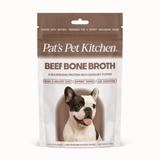
Mix with warm water to create a beef-flavored drink. Serve after a long day of work or play.
Most Springers drink it enthusiastically.
Bonus: Many handlers use Bone Broth as post-training reward. It's hydration + joint support in one.
The Complete Springer Spaniel Joint Care Protocol
For working/active dogs:
Daily:
1. Joint supplement
-
Pure Collagen (prevention) or Mobility & Joints (early signs) with breakfast, at the serving for your dog's weight
2. Omega-3 fish oil with dinner
-
1,000-1,500mg EPA/DHA daily
3. Warm-up before work/exercise
-
5-10 minutes gentle walking before intense activity
-
Gradual build-up to full speed
4. Cool-down after work
-
5-10 minutes walking after retrieving or training
-
Helps clear lactic acid, reduces stiffness
5. Post-work recovery
-
Optional: Beef Bone Broth mixed with water as recovery drink
Weekly:
1. Rest days
-
Minimum 1 day per week with no intense work
-
Light walk only on rest days
2. Swimming session
-
Low-impact conditioning
-
Builds muscle without joint stress
-
Most Springers love swimming
3. Weight check
-
Weigh weekly
-
Adjust food if gaining
-
Target weight: 18-25kg (you should easily feel ribs)
4. Mobility assessment
-
Any new stiffness?
-
Is performance declining?
-
Any reluctance to work?
Monthly:
1. Review training load
-
Are they overdoing it?
-
Symptoms during heavy work periods?
-
Adjust intensity if needed
2. Check home modifications
-
Ramps still in good condition?
-
Non-slip mats still effective?
Every 6 months:
1. Vet check-up
-
Physical exam
-
Joint palpation
-
Discuss any concerns
2. X-rays if showing symptoms
-
Monitor hip scores over time
-
Check for early arthritis
Training Modifications for Joint Protection
How to protect joints during work:
1. Surface matters
Best: Grass, sand, dirt
OK: Stubble fields (after harvest)
Bad: Concrete, asphalt, rocky ground
Save hard surfaces for short sessions only.
2. Manage repetitions
Training:
-
Limit retrieves to 10-15 per session
-
Don't do 50+ retrieves in one go (even if they want to)
-
Multiple short sessions better than one marathon
Working:
-
Build up fitness gradually before season
-
Don't go from zero to full days of shooting
-
Condition them like athletes
3. Avoid cold water work in winter
Swimming in cold water:
-
Can aggravate arthritis
-
Causes temporary stiffness
-
Use heated hydrotherapy pool instead if possible
If they must work in cold water:
-
Dry thoroughly after
-
Keep warm
-
Extra omega-3 on cold water work days
4. Jump height management
For competing Springers (agility, obedience jumps):
-
Practice at 80% height most of the time
-
Full height only for competition or occasional proofing
-
Lower jumps = less joint stress
Competition Season Management
During heavy trial/competition periods:
Supporting joints through a busy season:
Option 1: Stick to the serving guide
-
Give one product at the serving for your dog's weight
-
If you use both Pure Collagen and Mobility & Joints, follow the serving guide printed on each pack
-
Do not add servings together to reach a target
-
Essential: Speak to your vet before changing your dog's routine
Option 2: Add extra omega-3
-
Increase from 1,000mg to 2,000mg EPA/DHA daily
-
Manages inflammation from increased activity
-
Essential: Consult your vet when going against advised serving recommendations
Option 3: Post-event recovery
-
Beef Bone Broth as recovery drink after each competition
Manage training load:
Week before competition:
-
Reduce training intensity
-
Light work only 2 days before event
-
Keep them fresh
Week after competition:
-
2-3 days rest (light walks only)
-
Assess for any soreness
-
Resume normal training gradually
Preventing Joint Problems in Springer Spaniel Puppies
If you have a Springer puppy (0-18 months):
1. Controlled exercise during growth
The rule: 5 minutes per month of age, twice daily
-
4-month-old = two 20-minute sessions max
-
6-month-old = two 30-minute sessions max
-
12-month-old = two 60-minute sessions max
No forced running or jumping until growth plates close (12-14 months).
2. Limit retrieving practice
Under 12 months:
-
5-10 retrieves per session maximum
-
No jumping for retrieves
-
Focus on steadiness and obedience, not stamina
Build foundation first. Stamina comes later.
3. Swimming is perfect
From 4-6 months (once confident in water):
-
Zero impact on growing joints
-
Builds muscle and fitness
-
Prepares for working life
Best exercise for young Springers.
4. Weight management from day one
Feed large breed puppy food (slower growth rate than standard puppy food)
Keep lean:
-
You should see last 2 ribs
-
Visible waist
-
Slightly underweight is better than overweight during growth
Overfeeding during growth is linked to a higher risk of hip dysplasia.
5. Start supplements early
Begin Pure Collagen from 6 months:
-
Provides building blocks during rapid growth
-
Supports healthy joint development
-
May slow early cartilage changes
6. Choose breeder carefully
Questions to ask:
1. Hip and elbow scores of parents?
-
Both should be scored
-
Scores should be at or below breed median (hip: 12, elbow: 7)
-
Ask to see certificates
2. Working/competition history?
-
Are parents working into their senior years?
-
Any history of early retirement due to joint issues?
3. Health testing done?
-
Hip/elbow scoring minimum
-
Eye testing (Springers prone to eye issues)
-
DNA tests for breed-specific conditions
Red flags:
-
Won't provide health clearances
-
Breeds dogs under 2 years old
-
Multiple litters per year
-
Puppies available year-round
When to See Your Vet
See your vet if:
-
Sudden lameness (can't bear weight)
-
Swelling around joints
-
Yelping when moving
-
Not responding to supplements after 8 weeks
-
Performance declining despite management
Annual check-ups should include:
-
Gait assessment
-
Joint palpation
-
Weight check
-
Discussion of working load
For working dogs: Twice yearly check-ups recommended.
Your Springer Can Work for Years
Joint problems don't have to end your Springer's working career.
With proper care:
-
Most Springers can work well into their teens
-
Even with mild hip dysplasia, they can remain comfortable
-
Prevention and early intervention make all the difference
Start protecting their joints today:
-
Assess their current mobility
-
Start a proven joint supplement
-
Implement training modifications
-
Manage their weight strictly
-
Work closely with your vet
Your Springer lives to work. Give them the joint support they need to keep doing what they love.
Sources & Further Reading
-
British Veterinary Association Hip Scheme Statistics: https://www.bva.co.uk/canine-health-schemes/hip-scheme/hip-scheme-statistics/
-
Witsberger TH, et al. "Prevalence of hip dysplasia and CCL deficiency." JAVMA, 2008
-
Oesser S, et al. "Oral administration of gelatin hydrolysate." Journal of Nutrition, 1999
-
Clegg DO, et al. "Glucosamine, chondroitin sulfate for osteoarthritis." NEJM, 2006
-
Roush JK, et al. "Effects of omega-3 fatty acids." JAVMA, 2010
-
Kealy RD, et al. "Effects of limited food consumption on hip dysplasia." JAVMA, 1992
Important: This information is for educational purposes and doesn't replace veterinary advice. If your dog is showing signs of joint problems, pain, or mobility issues, consult your vet for proper diagnosis and treatment. The guidance in this article is based on current research and best practices, but every dog is different.
Last Updated: August 2026