Quick Answer: Spondylosis is the development of bony spurs along your dog's spine, usually in response to age or instability. It's painful and degenerative but manageable through weight management, controlled exercise, pain management when needed, and joint supplements that support spinal structures. Most dogs live many years with spondylosis before it significantly impacts quality of life.
Your older dog is moving differently. They're stiff in the mornings, and it takes a while before they loosen up. Maybe they're reluctant to jump onto the sofa. Maybe they move with a slightly hunched posture. You mention it to your vet, and they say something that sounds serious: spondylosis.
It's one of those diagnoses that sounds worse than it is. Yes, it's degenerative. Yes, it's permanent. But it's also incredibly common in older dogs, and most dogs manage it well for years.
What Is Spondylosis?
Spondylosis is the development of bony spurs (osteophytes) along the vertebral bodies of the spine. It happens when the discs between vertebrae become damaged or unstable, and the body's response is to stabilise that area by growing bone. It's a degenerative process, but it's also the body's attempt at self-repair.
This is different from intervertebral disc disease (IVDD), which involves the discs themselves pressing on the spinal cord. Spondylosis is about the spine adapting to stress or age. Many dogs have both conditions, but they're distinct problems.
Why Dogs Develop Spondylosis
Age: Spondylosis is primarily a condition of older dogs. The longer a spine is in use, the more wear accumulates. Dogs over seven years old have much higher rates than younger dogs. It's not universal, but it's common.
Breed predisposition: Larger dogs and those with long backs (like Dachshunds) develop spondylosis more often. German Shepherds, Labrador Retrievers, and other large breeds frequently show signs. Smaller dogs develop it too, but the size and structure of large breeds makes them vulnerable.
Weight: Every kilogram your dog carries puts stress on the spine. Overweight dogs develop spondylosis earlier and more severely than dogs at healthy weight. This is one of the few factors you can directly control.
Repetitive stress: Dogs who've done a lot of jumping, high-impact exercise, or work (like agility or service work) may show spondylosis earlier. The spine accumulates micro-injuries that trigger the bone-spur response.
Previous spinal injury: A dog who's had a back injury is at risk for spondylosis developing at that site years later.
Signs Your Dog Might Have Spondylosis
The classic sign is stiffness, particularly first thing in the morning or after resting. Your dog might take a while to loosen up. They may move with less flexibility through their back or show a hunched posture. Some dogs show reluctance to jump or climb stairs. Others show no obvious signs and the condition is found incidentally on X-rays.
In more severe cases, dogs show actual pain, reluctance to move, or altered gait. Some dogs become less willing to exercise or show reduced activity levels. Pain is variable; some dogs seem uncomfortable throughout the day, while others only show stiffness during certain movements.
Nerve compression is possible if bone spurs grow into the spinal canal, but this is less common than simple bone-spur development.
Diagnosis and Grading
X-rays show spondylosis clearly. Your vet will see bony spurs along the vertebrae and can assess how widespread they are. Unlike some joint conditions, spondylosis is straightforward to diagnose once suspected.
Spondylosis is sometimes graded as mild, moderate, or severe based on how many vertebrae are affected and how prominent the spurs are. More spurs doesn't always mean more pain; some dogs with extensive spondylosis show minimal signs, while others with lighter involvement are quite uncomfortable.
This unpredictability is why your dog's actual mobility and comfort matter more than the X-ray appearance alone.
Managing Spondylosis: Conservative Care
Weight management is the biggest factor you control. Overweight dogs put unnecessary stress on their spine. Getting your dog to a healthy weight reduces pain, slows progression, and often improves mobility noticeably. This alone can be transformative.
Exercise matters, but controlled exercise. Your dog needs movement to maintain muscle and joint health. But high-impact exercise (jumping, running intensely) stresses the spine. Swimming is ideal because it supports the spine whilst your dog exercises. Steady walks are excellent. Agility and jumping should be minimised.
Pain management when needed: Your vet might recommend NSAIDs (non-steroidal anti-inflammatory drugs) to manage pain and inflammation. These are used when your dog shows discomfort, not necessarily all the time. Some dogs need them regularly; others need them only on flare-up days.
Joint support through supplementation: This is where Mobility & Joints becomes useful. Collagen supports connective tissue throughout the spine. Glucosamine and hyaluronic acid support joint health more broadly. Whilst these won't reverse spondylosis, they support the structures around your dog's spine and can ease discomfort.
Physical comfort: Orthopedic beds, ramps instead of stairs, and avoiding jumping from heights all reduce spinal stress. Small changes make real differences.
When Surgery Is Considered
Surgery for spondylosis is rare because conservative management works well for most dogs. Surgery might be considered if bone spurs are compressing the spinal cord and your dog is experiencing neurological symptoms like weakness or loss of function.
If your vet recommends surgery, get a specialist opinion. Most vets will manage spondylosis conservatively first, reserving surgery for dogs with severe nerve compression and clear neurological changes.
What to Expect Long-Term
Spondylosis is progressive. The spurs will develop further over time. But progression is slow in most dogs. Your dog diagnosed at age seven might have more extensive changes at age twelve, but still be moving reasonably well with management.
Many dogs live years with spondylosis, maintaining good quality of life. Pain comes and goes. Some days are better than others. Some dogs have good periods followed by flare-ups.
The goal isn't to stop spondylosis (it's degenerative and won't stop). The goal is to minimise pain, maintain mobility, and keep your dog comfortable for as long as possible.
Frequently Asked Questions
Is spondylosis painful? It can be. Pain varies dramatically between dogs. Some show obvious discomfort; others seem minimally bothered. Stiffness is nearly universal; actual pain is variable.
Will my dog become paralysed? Unlikely. Spondylosis alone rarely causes paralysis. If your dog is at risk of neurological complications, your vet will monitor carefully. Most spondylosis cases never progress to that point.
Can I prevent spondylosis? You can reduce risk by keeping your dog at a healthy weight, avoiding high-impact exercise, and preventing spinal injury. But in older, large-breed dogs, some degree of spondylosis is fairly common regardless.
Does spondylosis get worse with exercise? Inappropriate exercise can worsen it. High-impact exercise, jumping, and intense running stress the spine. Controlled exercise (walking, swimming) is beneficial. Finding the balance between activity and spinal stress is the key.
How much collagen should my dog take? Follow the serving guide on the pouch based on your dog's weight. Serving sizes vary between products.
Should I stop walking my dog if they have spondylosis? No. Appropriate activity is important. Stop high-impact activities (jumping, intense running, agility), but continue steady walks. Your vet can advise on what's appropriate for your specific dog.
Can supplements reverse spondylosis? No. Supplements support joint health and may ease discomfort, but they don't reverse bone-spur development. Think of them as support alongside weight management and pain control, not as treatment.
Which Product for Your Dog?
Mobility & Joints (£34.99) is the natural choice for spondylosis support. It combines collagen peptides with glucosamine, hyaluronic acid, manganese, and vitamins C and E. Collagen supports the connective tissue and cartilage around your dog's spine. Glucosamine and hyaluronic acid support the discs and joints. Together, they address multiple aspects of spinal health.
Pure Collagen (£31.99) works too if you prefer a single-ingredient approach. At 6,000mg of hydrolysed bovine collagen, it provides the structural building blocks your dog's spine needs. Tasteless and odourless, it mixes into any food.
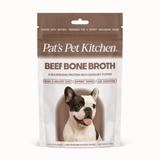
Beef Bone Broth (£24.99) at 40 per cent collagen content offers a food-based approach. Many older dogs find broth warming and comforting, especially when spinal discomfort makes them less enthusiastic about regular meals. Use it daily or as an occasional joint boost depending on your preference.
Consistency matters. Whichever product you choose, give it daily. Give it time; most dogs show noticeable improvement in stiffness and comfort after 6-8 weeks of consistent supplementation.
Sources
Vertebral osteochondrosis and spondylosis are well-documented in veterinary orthopaedic literature. Weight as a risk factor is established across multiple studies. Exercise recommendations for dogs with spondylosis reflect current veterinary practice regarding spinal health and degenerative conditions.
Disclaimer: This information is for educational purposes and doesn't replace veterinary advice. If your dog shows signs of spinal pain, stiffness, or neurological changes, consult your vet for proper diagnosis and treatment. Early intervention gives the best outcomes.
Last Updated: March 2026