Quick Answer: Collagen is one of the safest supplements for dogs. Most dogs tolerate it brilliantly. The only common side effect is mild, temporary digestive adjustment when you first introduce it, similar to changing their food. Allergic reactions are extremely rare and usually relate to the source protein, not the collagen itself. If your dog takes medications, a quick word with your vet is sensible, though interactions are minimal.
You're standing at the kitchen counter, reading the label on a collagen supplement. Your dog trots past, watching you with that familiar hope that something tasty might happen. You've done your research. You know collagen helps joints. You know it's in bone broth, which feels natural. But before you shake a scoop into their bowl, you want to know the truth: is this safe? Will it upset their stomach? Could it cause problems you haven't considered?
You're not alone. Dozens of dog owners research supplements before trying them, and that's exactly the right approach. Collagen has an excellent safety profile for dogs, but like any supplement, it's worth understanding what might happen and when to pause and check with your vet.
Collagen is Generally Very Safe for Dogs
Collagen is a protein your dog's body already makes and recognises. It's the main structural component of bone, cartilage, skin, and tendons. When you give a collagen supplement, particularly hydrolysed collagen (collagen peptides broken down into tiny molecules), you're essentially providing building blocks your dog's body uses naturally.
Because collagen is such a basic, familiar protein, severe adverse reactions are uncommon. Dogs have been consuming collagen for thousands of years through bones, connective tissue, and meat scraps. A modern collagen supplement is just a concentrated, purified version of something their digestive system already knows how to handle.
The Most Common Side Effect: Temporary Digestive Adjustment
When you first introduce collagen to your dog's diet, some dogs experience mild digestive changes. These are usually short-lived and settle within a few days to a week. You might notice looser stools, mild constipation, or a brief period where their digestion seems slightly unsettled.
This isn't a reaction to collagen itself. It's how their gut adjusts to any new food or supplement. Think of it like introducing a new flavour of kibble: their system needs a moment to adapt. The solution is straightforward: start with a smaller amount and gradually increase to the full serving over 5-7 days. This gives their gut time to adjust without fuss.
Hydrolysed collagen, which is what most quality supplements use (including our Pure Collagen), is broken down into peptides that are easier to digest than whole collagen or gelatin. That means the adjustment period is often even shorter.
Allergic Reactions: Rare and Usually About the Source
True allergic reactions to collagen supplements in dogs are genuinely rare. When they do occur, the allergic response is usually to the source protein, not the collagen itself. For example, if your dog is sensitive to beef, a beef-derived collagen supplement might trigger a reaction. But the culprit is the beef protein, not the collagen compound.
Signs of an allergic reaction include itching, skin rashes, vomiting, or diarrhoea that appears immediately after the first dose and doesn't settle. If your dog has a known protein sensitivity, check the source of the collagen before you buy. Our Pure Collagen uses hydrolysed bovine collagen and is derived from grass-fed cattle, which many owners find more tolerable than processed sources. If your dog has a beef allergy, skip bovine collagen and discuss options with your vet.
If you're unsure whether your dog has a sensitivity, introducing the supplement slowly (as described above) gives you a clear window to spot any reaction before it becomes a problem.
Medication Interactions: Minimal but Worth a Conversation
Collagen supplements don't actively interfere with most medications. Collagen is a simple protein your dog's body processes like any other protein in their diet. There's no mechanism for it to block absorption of pills or trigger unexpected reactions with common dog medicines.
That said, if your dog takes supplements for kidney function, iron absorption, or medications where nutrient timing matters, a quick phone call to your vet is sensible. They know your dog's full health picture and can advise whether collagen timing needs adjusting around medications. This is especially true if your dog is on thyroid medication or has a history of kidney issues.
For most healthy dogs on standard medications (like painkillers for arthritis or antibiotics), collagen is straightforward to add without changes to their routine.
Why Human-Grade Ingredients Reduce Risk
Not all collagen supplements are created equal. Some are sourced from industrial pet-food facilities with minimal quality control. Others come from human-grade farms where cattle are raised specifically for nutritional supplements destined for human consumption as well.
When you choose a product made with human-grade ingredients, you're reducing the risk of contaminants or low-quality fillers. The collagen itself is more carefully tested and verified. This doesn't eliminate risk entirely (nothing does), but it dramatically reduces the likelihood of your dog ingesting something unexpected.
Look for collagen supplements that explicitly state their source and quality standards. If a product doesn't list where the collagen comes from or how it's processed, that's a yellow flag.
When to Consult Your Vet Before Starting Collagen
Collagen is safe for most dogs, but certain situations warrant a vet's input before you start:
Existing digestive issues: If your dog has inflammatory bowel disease, pancreatitis, or chronic diarrhoea, collagen might need careful introduction. Your vet can advise whether it's suitable and how to introduce it.
Recent surgery or recovery: Collagen supports tissue repair, which is generally beneficial. But if your dog is in a critical recovery phase, timing and dosing should be cleared with your vet first.
Medications affecting nutrient absorption: Certain medications change how your dog's gut absorbs nutrients. Collagen is a protein, so if absorption is already compromised, your vet might recommend waiting or adjusting timing.
Known allergies to the protein source: As mentioned, if your dog is allergic to beef, chicken, or pork, match the collagen source carefully. Your vet can help you choose a source your dog tolerates.
Kidney disease: Dogs with kidney disease need careful protein management. High-protein supplements require vet oversight. Discuss collagen introduction with your vet if your dog has been diagnosed with kidney issues.
For healthy dogs with no complicating factors, you don't need vet permission to start collagen. But it's never wrong to mention it at your next check-up. Most vets view collagen positively as a joint-supporting supplement.
How Hydrolysed Collagen Supports Safety
The collagen in quality dog supplements isn't raw collagen. It's hydrolysed collagen, also called collagen peptides. This means the long collagen chains have been broken down into much smaller molecules during manufacturing.
Why does this matter for safety? Smaller molecules are easier for your dog's digestive system to recognise and process. There's less strain on the gut lining. Less chance of inflammatory response. Faster absorption means fewer opportunities for an upset stomach.
Hydrolysed collagen is also tasteless and odourless, which means you can mix it into any food without your dog noticing. This reduces the chance of picky eating interfering with consistent supplementation. Consistency helps your dog's body build the benefits without disruption.
Signs Your Dog Isn't Tolerating Collagen Well
Most dogs tolerate collagen brilliantly. But if you see any of these signs, pause and consider whether collagen is the right fit:
Persistent loose stools beyond the first week: A day or two of adjustment is normal. If diarrhoea continues past a week despite slowing introduction, collagen might not suit your dog.
Vomiting or repeated retching: This isn't a typical adjustment response. Stop the supplement and check with your vet.
Itching, skin redness, or hives: These suggest an allergic response. Stop immediately and discuss with your vet.
Lethargy or unusual behaviour: Collagen doesn't normally cause tiredness or behavioural shifts. If your dog seems off, it's worth investigating.
Signs of pain or stiffness not improving after 6-8 weeks: Collagen supports joint health, but it's not instant. If your dog shows no improvement after consistent use for two months, you're not seeing the benefit you hoped for. This isn't a safety issue, just an indication that a different approach might work better for your dog.
How to Introduce Collagen Safely
Start low and go slow. Here's a sensible approach:
Days 1-2: Offer 25% of the recommended daily serving mixed into their regular food.
Days 3-4: Increase to 50% of the recommended daily serving.
Days 5-6: Move to 75% of the recommended daily serving.
Day 7 onwards: Full recommended serving based on your dog's weight. Follow the serving guide on the pouch.
This gentle ramp-up gives your dog's digestive system time to adjust. By the end of week one, their body recognises the new supplement as part of their normal diet. Any adjustment symptoms typically resolve by this point.
Collagen Works Best Alongside Other Joint Support
Collagen provides building blocks for joint health, but it's most effective when paired with movement, a good diet, and sometimes other joint-supporting nutrients.
If your dog has significant joint issues, consider a formula that combines collagen with other evidence-backed ingredients. Our Mobility and Joints supplement combines collagen peptides with glucosamine, hyaluronic acid, and key vitamins that work together to support joint function. This combination approach can deliver better results than collagen alone, particularly for dogs with existing joint concerns.
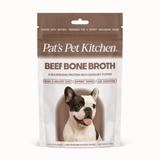
For dogs recovering from injury or surgery, Beef Bone Broth provides collagen (40% content) alongside natural amino acids that support tissue repair. It's gentle on the digestive system and provides the hydration benefits of broth alongside the structural support of collagen.
The key point: collagen supports joint health, but supplements support joint health. They don't replace veterinary treatment for injured or severely arthritic dogs. Think of collagen as part of the bigger picture, not a standalone solution.
What Results Should You Expect?
Collagen doesn't work overnight. You won't give your dog a dose and see improved mobility by tomorrow. The results build gradually over weeks and months as the body uses those amino acids to strengthen cartilage, support joint fluid, and maintain skin and coat health.
Most owners notice subtle changes: their dog seems more comfortable getting up in the morning, climbs stairs with less stiffness, or shows improved coat shine after consistent use for 6-8 weeks. These aren't dramatic transformations. They're the kind of quality-of-life improvements that mean your dog can enjoy their favourite activities without discomfort.
Some dogs show no noticeable change. That doesn't mean collagen isn't working at a cellular level. It means the joint support hasn't translated into a visible behavioural change for that particular dog. This is where honest communication matters: collagen supports joint health, but results vary by individual.
Frequently Asked Questions
Can puppies take collagen? Yes. Puppies benefit from collagen for bone and cartilage development, especially large-breed puppies prone to joint issues. Use age-appropriate amounts and discuss with your vet if your puppy has any health concerns.
Is collagen safe long-term? Yes. Collagen is safe for long-term use. Your dog's body processes it like any other protein source. Many dogs stay on collagen supplements for years without issues. It's not a temporary fix but a nutritional support you can maintain indefinitely.
Can collagen interact with joint medications like rimadyl? Collagen doesn't directly interfere with arthritis medications. However, if your dog is on pain medication, check with your vet about timing and whether the combined approach is appropriate for your dog's specific situation.
What if my dog has never had digestive issues but develops them on collagen? Stop the collagen for a few days, then try reintroducing more slowly. If problems persist, collagen might not suit your dog. Not every supplement is right for every dog, and that's fine. Your vet can help you explore alternatives.
Does collagen powder taste bad? Quality hydrolysed collagen is tasteless and odourless. Your dog won't notice it mixed into their food. This makes it easy to give consistently without fussy eating interfering with the supplementation routine.
Can I give collagen with other supplements? Yes, in most cases. Collagen pairs well with other joint supplements, omega fatty acids, and general health supplements. If your dog takes multiple supplements, mention them all to your vet so they can confirm there are no unexpected interactions specific to your dog's health profile.
Is grass-fed bovine collagen safer than other sources? Grass-fed sources often come from more regulated farms, which can mean better quality control and lower risk of contaminants. It's not automatically "safer" in the sense of being more beneficial, but it's often a sign of higher production standards. If it's available and your budget allows, it's a sensible choice.
Which Product for Your Dog?
Three collagen options suit different needs:
Pure Collagen (31.99) is best for dogs whose owners want a single-ingredient focus. 6,000mg of hydrolysed bovine collagen peptides per serving, tasteless and odourless. Ideal for adding to any food without changing flavour or texture. Perfect for dogs with sensitive digestion who need a minimal approach.
Mobility and Joints (34.99) combines collagen with glucosamine, hyaluronic acid, manganese, and vitamins C and E. This is the choice for dogs with existing joint concerns or older dogs needing comprehensive support. The combined formula tackles joint health from multiple angles. Follow the serving guide on the pouch based on your dog's weight.
Beef Bone Broth (24.99) delivers 40% collagen content alongside natural amino acids and the hydration benefits of broth. This is ideal for dogs recovering from injury, undergoing surgery, or needing gentle nutritional support. It's also excellent for dogs who prefer a more food-like supplement rather than a powder. The broth format makes it appealing to picky eaters.
For most dogs starting out, Pure Collagen is the sensible first choice. It's straightforward, safe, and lets you see how your dog responds to collagen specifically. If you need broader joint support, Mobility and Joints is your upgrade. If your dog needs recovery support or loves broth, Bone Broth is the answer.
Whichever you choose, remember: follow the serving guide on the pouch based on your dog's weight, introduce gradually over the first week, and give it 6-8 weeks to show results.
The Bottom Line on Collagen Safety
Collagen is one of the safest, most straightforward supplements you can give your dog. It's derived from a protein their body already knows, uses simple hydrolysed forms that are easy to digest, and has an excellent safety record across millions of dogs.
The only real caution is temporary digestive adjustment when first introducing it, which you prevent through a gradual introduction. Allergic reactions are rare, medication interactions are minimal, and human-grade collagen reduces contamination risk.
If your dog is generally healthy, introduce collagen slowly, and watch for any signs of intolerance, you're taking a safe, evidence-backed approach to supporting their joint health and quality of life.
Disclaimer: This information is for educational purposes and doesn't replace veterinary advice. If your dog has existing digestive issues, is recovering from illness, or takes medications affecting nutrient absorption, consult your vet before starting collagen. Early intervention and professional guidance give the best outcomes.
Last Updated: March 2026