Quick Answer: Elbow dysplasia is a developmental condition affecting the elbow joint, most common in large and giant breed dogs. It occurs when the three bones of the elbow (humerus, radius and ulna) don't fit together properly, leading to joint instability and cartilage damage. Signs include front leg lameness, stiffness after rest, and reluctance to exercise. Early diagnosis via X-ray or CT scan allows your vet to recommend the best treatment approach, from conservative management to surgery, and joint supplements can support ongoing recovery.
Your young Labrador used to bound down the stairs without hesitation. Now they pick their way down slowly, favouring their front right leg. You watch them shift their weight, favouring one side as they settle into their bed. It's subtle at first, the kind of thing you might miss if you weren't paying close attention. But you are. And something isn't quite right.
Elbow dysplasia is one of the most common orthopaedic conditions in large breed dogs. It typically shows up when puppies are between four months and a year old, though some dogs don't display obvious symptoms until they're older. If you've noticed your dog limping, moving stiffly, or avoiding jumping and stairs, elbow dysplasia might be what's happening inside their joint.
The good news? With the right diagnosis and management, many dogs with elbow dysplasia live happy, active lives. Understanding what's going on, how your vet will diagnose it, and what you can do to support your dog makes all the difference.
What Is Elbow Dysplasia in Dogs?
Elbow dysplasia is a developmental orthopaedic condition where the three bones that make up the elbow joint (the humerus, radius and ulna) don't align or fit together properly. This misalignment creates joint instability and abnormal pressure on the cartilage, leading to progressive cartilage damage and osteoarthritis.
The condition actually involves three separate pathologies that often occur together:
Fragmented Coronoid Process (FCP): A small piece of bone in the coronoid process (part of the ulna) becomes loose or fragments. This causes pain and instability within the joint.
Osteochondritis Dissecans (OCD): The cartilage on the humeral condyle (the end of the humerus bone) develops abnormally. A fragment of cartilage and underlying bone can separate from the surface, causing inflammation and lameness.
Ununited Anconeal Process (UAP): The anconeal process (a projection on the ulna) fails to fuse properly with the ulna bone during development. This creates joint instability and pain.
These conditions are classified by the British Veterinary Association and Kennel Club (BVA/KC) Elbow Dysplasia Scheme, which provides standardised screening and grading to help breeders and owners understand the severity of the condition.
Which Breeds Are Most Affected?
Elbow dysplasia is strongly influenced by genetics, which is why certain breeds show higher rates than others. If you own a large or giant breed dog, understanding your breed's predisposition is important.
Labradors and Golden Retrievers are among the most commonly affected breeds. German Shepherds, Rottweilers, Bernese Mountain Dogs, Boxer dogs, Great Danes, and Saint Bernards also see high prevalence rates. English Springer Spaniels, Newfoundlands, and Irish Setters are affected too, though sometimes less frequently discussed.
Smaller breeds can develop elbow dysplasia, but it's far less common. The condition is linked to growth rate and skeletal development, which is why rapidly growing large breed puppies face the highest risk.
If your dog is from a breed predisposed to elbow dysplasia, knowing the health screening status of the parents significantly reduces risk. Reputable breeders screen their breeding dogs using the BVA/KC scheme and only breed from dogs with good elbow scores.
Signs and Symptoms of Elbow Dysplasia
Symptoms can appear suddenly or develop gradually. Some dogs show obvious lameness, whilst others display subtle changes in movement that owners sometimes mistake for normal aging or clumsiness.
Front leg lameness: Your dog may limp on one or both front legs. The lameness might be more obvious when they first wake up or after exercise, then improve as they warm up.
Stiffness after rest: After lying down for a while, your dog struggles to stand or walk comfortably for the first few minutes. This classic "getting started" stiffness often improves once they're moving.
Reluctance to exercise: Your dog avoids stairs, jumping into the car, or running and playing. They might stop mid-walk or seem tired more quickly than usual.
Favoured posture: Your dog shifts weight to their hind legs or stands with their front legs splayed wider than normal to reduce pressure on the affected elbow.
Swelling or heat in the elbow area: The joint might feel warm, puffy, or appear visibly swollen. You might notice your dog frequently licking or chewing at their elbow.
Exercise intolerance: Even short play sessions or walks lead to limping or reluctance to continue.
The severity of symptoms doesn't always correlate with the severity of the condition seen on imaging. Some dogs with significant dysplasia remain relatively asymptomatic, whilst others with milder changes show obvious lameness. Age, weight, activity level and individual pain tolerance all play a role.
How Is Elbow Dysplasia Diagnosed?
Your vet will begin with a thorough physical examination and history. They'll palpate the elbow joint, assess your dog's gait and observe how they move and hold their limbs. They'll ask about when the lameness started, whether it worsens after exercise, and what activities seem painful.
X-rays: Standard radiographs remain the most common diagnostic tool. Multiple views of the elbow (especially the flexed mediolateral view and extensions) allow your vet to identify bone changes consistent with dysplasia. For breed screening purposes, a standardised technique is essential for accurate grading under the BVA/KC scheme.
CT scan: Computed tomography provides much greater detail than X-rays and is particularly useful for identifying fragmented coronoid processes, cartilage damage and other subtle changes. If your vet suspects elbow dysplasia but X-rays are inconclusive, or if they're considering surgical treatment, a CT scan may be recommended.
Arthroscopy: In some cases, your vet may recommend looking directly inside the joint using an arthroscope (a small camera). This allows them to assess cartilage damage and may offer therapeutic benefits if fragments need to be removed.
Early diagnosis is genuinely important. The younger your dog is when dysplasia is identified, the more treatment options are available and the better the long-term outcomes tend to be.
Treatment Options for Elbow Dysplasia
Treatment approaches range from conservative management to surgical intervention. Your vet will recommend an approach based on the severity of the condition, your dog's age, symptoms and how they respond to initial management.
Conservative Management: For many dogs, especially those with mild dysplasia or minimal symptoms, conservative treatment provides good results. This includes controlled exercise (avoiding high-impact activities like jumping and running on hard surfaces), weight management to reduce joint stress, anti-inflammatory medication and joint supplementation. Cold laser therapy and hydrotherapy are sometimes recommended to manage pain and maintain mobility.
Surgical Treatment: If conservative management isn't providing adequate pain relief, or if your dog has severe dysplasia with significant cartilage damage, surgery may be recommended. Surgical options include removing loose fragments of bone or cartilage (arthroscopic debridement), addressing specific pathologies like UAP or FCP, or correcting the joint alignment. The specific approach depends on what's going on inside the joint.
Your vet will discuss which approach makes sense for your dog's situation. Many dogs benefit from a combination of conservative management and strategic supplementation to support ongoing joint health.
Supporting Your Dog's Elbow Health with Supplements
Joint supplements play an important supporting role in managing elbow dysplasia. Collagen is particularly valuable because it's a primary structural component of cartilage, tendons and ligaments. When hydrolysed into smaller peptides, collagen is readily absorbed and provides the amino acids and micronutrients your dog's body needs to maintain and repair joint tissue.
A product like Mobility & Joints combines collagen peptides with complementary ingredients. Glucosamine and hyaluronic acid work alongside collagen to support cartilage structure and lubrication. Manganese, vitamin C and vitamin E provide additional support for connective tissue and help protect against oxidative stress in the joint.
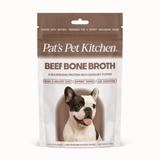
Alternatively, Beef Bone Broth provides 40 per cent collagen content in a form many dogs find palatable, making it easy to add to their regular meals.
Supplements support joint health but don't replace veterinary treatment. They work best as part of a comprehensive approach that includes appropriate exercise, weight management and any medication or surgery your vet recommends. Follow the serving guide on the pouch based on your dog's weight for best results.
Managing Elbow Dysplasia Day to Day
Weight management: Extra weight puts additional stress on the joints. Keeping your dog at a healthy weight is one of the most impactful things you can do. Your vet can help assess whether weight loss would benefit your dog.
Controlled exercise: This doesn't mean keeping your dog sedentary. Regular, low-impact activity like steady walks on soft surfaces supports joint health. Avoid jumping, sprinting, rough play and high-impact exercise that stresses the elbow.
Environmental modifications: Ramps or steps help your dog access furniture and vehicles without jumping. Rugs on slippery floors reduce the impact on joints. Orthopedic bedding supports proper joint alignment during rest.
Manage flare-ups: Some days your dog will limp more than others. During flare-ups, reduce exercise, consider warm compresses to the area, and follow your vet's recommendations for pain management.
Regular vet check-ins: Periodic monitoring helps track progression and adjust treatment as needed. Your vet can also assess whether symptoms are worsening or responding well to current management.
Preventive care in puppies: If you have a large breed puppy from a predisposed breed, controlled growth is crucial. Avoid excessive exercise during the growth phase (before 12-18 months depending on breed), feed a properly balanced diet formulated for large breed puppies, and maintain steady rather than rapid growth.
What Results Should You Expect?
The prognosis for elbow dysplasia varies considerably depending on severity, treatment approach and how your individual dog responds to management. Many dogs manage very well with conservative treatment and live comfortable, active lives for years.
Dogs diagnosed and treated early tend to have better outcomes than those whose dysplasia goes undetected for longer. Surgical intervention, when appropriate, often provides significant pain relief and improved function. Even dogs who continue to have some degree of joint changes can experience substantial improvement in comfort and mobility with proper management.
Some dogs may experience ongoing stiffness or occasional lameness, particularly as they age or during periods of increased activity or cold weather. This doesn't mean treatment has failed, rather that you've found a management approach that keeps them comfortable and maintains their quality of life.
Regular monitoring and adjustment of management strategies as your dog ages ensures they continue to move comfortably. Many owners are surprised at how well their dogs do once dysplasia is properly diagnosed and treated.
Frequently Asked Questions
Can elbow dysplasia be prevented? Prevention isn't entirely possible since genetics play a major role, but choosing puppies from parents with good BVA/KC elbow scores significantly reduces risk. Proper nutrition, controlled growth, and limiting high-impact exercise during the growth phase also help reduce severity.
Is elbow dysplasia painful? Yes. The joint instability and cartilage damage associated with dysplasia are genuinely painful. Pain levels vary between individual dogs and may fluctuate depending on activity level and environmental factors like temperature and humidity.
Can my dog play and exercise with elbow dysplasia? Yes, but exercise needs to be appropriate and controlled. Your vet can advise on what's suitable for your dog's specific condition. Many dogs with dysplasia continue to enjoy daily walks and moderate play.
Will elbow dysplasia get worse over time? Dysplasia is a progressive condition, meaning cartilage damage and osteoarthritis can develop or worsen over time. However, proper management can slow progression and maintain comfort. Some dogs stabilise on a treatment approach and show little further change for years.
Is surgery always necessary? No. Many dogs manage well with conservative treatment alone. Surgery is typically recommended if conservative management isn't providing adequate pain relief, or if imaging shows severe damage that's likely to worsen significantly.
How much does treatment cost? Conservative management (exercise control, supplements, medication, weight management) varies in cost but is generally more affordable. Surgical options are more expensive, ranging considerably depending on the procedure and your location. Discuss costs and options with your vet.
Can supplements replace veterinary treatment? No. Supplements support joint health but are part of a comprehensive approach that includes appropriate veterinary care, exercise management and weight control. Your dog still needs proper diagnosis, monitoring and treatment from a vet.
Which Product for Your Dog?
Choosing the right supplement depends on your dog's specific needs and what's already part of their management plan.
For dogs needing comprehensive joint support with multiple active ingredients: Mobility & Joints (£34.99) combines 5,000mg collagen peptides with glucosamine, hyaluronic acid, manganese, vitamin C and vitamin E. This all-in-one formula supports multiple aspects of joint health, making it ideal for dogs actively managing dysplasia. Follow the serving guide on the pouch based on your dog's weight.
For dogs that need maximum collagen content: Pure Collagen (£31.99) delivers 6,000mg hydrolysed bovine collagen peptides (Types I and III) in a tasteless, odourless form. This is ideal if collagen is your primary focus or if your dog is already receiving other joint support. Follow the serving guide on the pouch based on your dog's weight.
For dogs who prefer food-based supplementation: Beef Bone Broth (£24.99) with 40 per cent collagen content adds nutrition to meals. Many dogs find it highly palatable, making supplementation effortless to incorporate into daily feeding.
Any of these products supports ongoing joint health as part of your dog's overall dysplasia management plan. Consistency matters. Your dog needs regular supplementation to benefit from the building blocks for joint tissue.
Sources
British Veterinary Association and Kennel Club. Elbow Dysplasia Scheme. Official breed screening and grading guidelines for elbow dysplasia assessment in dogs.
Caine, A., et al. "Fragmented coronoid process in dogs: aetiology and potential future direction." Journal of Small Animal Practice, 2019.
Fitzpatrick, N. "Elbow Dysplasia in Dogs: A Review." Veterinary Surgery, current clinical approaches to diagnosis and treatment.
Gemmill, T. J. and Oliver, J. E. "Elbow dysplasia: Aetiopathogenesis, diagnosis, and analgesia." Veterinary Record, clinical management strategies.
Disclaimer: This information is for educational purposes and doesn't replace veterinary advice. If your dog is showing signs of lameness, stiffness or reluctance to exercise, consult your vet for proper diagnosis and treatment. Early intervention gives the best outcomes.
Last Updated: July 2026