Your Great Dane is limping.
They're struggling to stand up. They're reluctant to walk. Their back legs look weaker than they should.
This isn't normal, even for a giant breed.
Great Danes grow faster and bigger than almost any other breed. Their joints simply can't keep up.
Here's how to support them through the growing years and beyond.
Why Great Danes Are Different
Great Danes are extreme:
Birth weight: 500-700g
Adult weight: 50-90kg
Growth period: 18-24 months
That's a 100-fold increase in body mass in less than 2 years.
No other breed grows this fast or this large.
The problem:
Bones grow first. Muscles, tendons, ligaments, and cartilage try to catch up. They often can't.
Think of it like:
Building a skyscraper. If you pour the concrete foundation and immediately try to build 50 stories on top before the concrete cures, the structure will be unstable.
Great Dane joints are that unstable foundation.
The Joint Problems Great Danes Face
1. Hip Dysplasia
UK breed median hip score: 18 (compared to breed average of 12-15)
What this means: Great Danes have worse hips than most breeds.
Prevalence: Approximately 15-20% of Great Danes have hip dysplasia
Why: Genetics + rapid growth + heavy body weight = malformed hip joints
2. Elbow Dysplasia
UK breed median elbow score: 9-10 (higher than most breeds)
Types of elbow dysplasia in Great Danes:
-
Fragmented coronoid process (FCP)
-
Osteochondritis dissecans (OCD)
-
Ununited anconeal process (UAP)
All three cause front leg lameness and early arthritis.
3. Osteochondrosis (OCD)
What it is: Abnormal cartilage development during rapid growth phase
Where it occurs:
-
Shoulder (most common in Great Danes)
-
Elbow
-
Knee (stifle)
-
Hock (ankle)
Symptoms:
-
Lameness in affected limb
-
Usually appears between 5-12 months old
-
Often bilateral (both sides affected)
Cause: Rapid growth + inadequate support for developing cartilage
4. Panosteitis (Growing Pains)
What it is: Inflammation in long bones during growth
Peak age: 5-14 months
Symptoms:
-
Shifting leg lameness (one leg, then another)
-
Fever
-
Lethargy
-
Pain when bones are pressed
Usually self-limiting (resolves after growth) but painful during active phase
5. Hypertrophic Osteodystrophy (HOD)
What it is: Painful inflammation of growth plates
Peak age: 2-7 months (younger than panosteitis)
Symptoms:
-
Severe lameness (won't bear weight)
-
Swelling around joints
-
Fever
-
Depression, loss of appetite
More serious than panosteitis. Can cause permanent damage if severe.
6. Wobblers Syndrome (Cervical Vertebral Instability)
What it is: Malformation or instability of neck vertebrae
Prevalence in Great Danes: 4-5% (one of the highest risk breeds)
Symptoms:
-
Wobbly, uncoordinated gait (especially rear legs)
-
Neck pain
-
Reluctance to lower head to eat or drink
Can range from mild to severe (paralysis)
7. Early-Onset Arthritis
Because of all the above conditions, Great Danes often develop osteoarthritis by age 5-7.
Even with perfect genetics and care, the sheer size and weight creates wear and tear.
The 8 Signs Your Great Dane Has Joint Problems
Watch for these:
1. Limping or favouring one leg
May shift from leg to leg (especially in panosteitis)
2. Difficulty standing up
Takes multiple attempts. Front end comes up first, struggles with rear.
3. Bunny-hopping gait
Both back legs move together when running (sign of hip pain)
4. Reluctance to exercise
Doesn't want to go for walks. Tires quickly.
5. Stiffness after rest
Takes several steps to "warm up." Worse in the morning.
6. Swelling around joints
Visible or palpable swelling, especially wrists or ankles
7. Wobbly, uncoordinated movement
Rear end sways. Crosses legs. (Could be Wobblers)
8. Behavioural changes
Less playful. Grumpy. Doesn't want to be touched.
If your Great Dane shows 3+ of these signs, see your vet immediately.
Early intervention prevents permanent damage.
What Actually Works: The Evidence
Goal: Support rapid growth, protect developing joints, reduce inflammation, strengthen connective tissue.
1. Hydrolysed Collagen Peptides (Critical for Great Danes)
Why Great Danes need more than other breeds:
During growth (0-18 months):
-
Producing massive amounts of new bone, cartilage, tendons, ligaments
-
Body's natural collagen production may not keep up with demand
-
Supplementation provides building blocks when they're needed most
After growth (18 months+):
-
Maintaining enormous skeletal structure
-
Heavy body weight creates constant wear on joints
-
Ongoing supplementation helps repair exceed breakdown
The science:
Studies show collagen peptides:
-
Are absorbed intact from the gut
-
Accumulate specifically in cartilage tissue
-
Stimulate cartilage cells to produce more collagen
-
Support tendon and ligament strength
Serving for a Great Dane: 4 teaspoons (12g) daily, which delivers 12,000mg of Pure Collagen. Follow the serving guide on the pack.
The full serving guide by weight:
| Dog weight | Daily serving | Pure Collagen delivered |
|---|---|---|
| 1 to 10kg | 1 teaspoon (3g) | 3,000mg |
| 11 to 20kg | 2 teaspoons (6g) | 6,000mg |
| 21 to 30kg | 3 teaspoons (9g) | 9,000mg |
| 31kg and over | 4 teaspoons (12g) | 12,000mg |
The same serving guide applies to Mobility & Joints. Always follow the serving guide printed on the pack.
2. Glucosamine & Chondroitin (1,500-2,000mg daily)
What it does:
-
Provides building blocks for cartilage
-
Slows breakdown of existing cartilage
-
Reduces inflammation in joints
Particularly important for:
-
Dogs with diagnosed hip or elbow dysplasia
-
Dogs with OCD
-
Preventative care during growth phase
3. Omega-3 Fatty Acids (2,000-3,000mg EPA/DHA daily)
Why Great Danes need higher doses:
During growth conditions (panosteitis, HOD):
-
Powerful anti-inflammatory
-
Reduces bone pain
-
Supports immune system
Long-term:
-
Reduces joint inflammation
-
Protects cartilage from oxidative damage
-
Improves overall joint health
Must be fish oil (EPA/DHA), not plant-based omega-3s
4. Vitamin C (Ascorbic Acid - 200-500mg daily)
Critical during growth:
Vitamin C is essential for collagen synthesis. Without it, collagen production stops.
Great Danes, with their rapid growth, may benefit from supplementation even though dogs can make their own vitamin C.
5. Vitamin E (100-200 IU daily)
What it does:
-
Powerful antioxidant
-
Protects joints from oxidative damage
-
Supports immune function
Particularly important during inflammatory growth conditions (panosteitis, HOD)
6. Manganese (2-3mg daily)
What it does:
-
Cofactor for enzymes involved in collagen production
-
Supports bone and cartilage formation
Particularly important during rapid growth phase
The Best Supplements for Great Danes
For Growing Puppies (0-18 months)
What's in it:
-
100% hydrolysed collagen peptides, served by weight band: 3,000mg for a 1 to 10kg dog, 6,000mg at 11 to 20kg, 9,000mg at 21 to 30kg and 12,000mg at 31kg and over
-
Types I & III collagen
-
Nothing else
Why this for puppies:
During rapid growth, joints need collagen support.
Pure collagen provides building blocks without unnecessary additives.
Serving for Great Dane puppies: follow the weight bands on the pack, from 1 teaspoon (3g) for a 1 to 10kg puppy up to 4 teaspoons (12g) once they pass 31kg
For Adults with Joint Issues (18 months+, showing signs)
What's in it (the composition of a 6g serving, which is the 2 teaspoon serving for an 11 to 20kg dog):
-
5,000mg hydrolysed collagen peptides
-
250mg glucosamine hydrochloride
-
1.5mg hyaluronic acid
-
3mg manganese
-
12mg vitamin C
-
0.5mg vitamin E
A Great Dane sits in the 31kg and over band, so their daily serving is 4 teaspoons (12g), not 6g. Always follow the serving guide printed on the pack.
Why this for adults with issues:
Comprehensive formula targeting multiple aspects of joint health:
-
Collagen rebuilds structure
-
Glucosamine protects cartilage
-
Hyaluronic acid lubricates joints
-
Vitamins support collagen production
-
Manganese enhances synthesis
Best for:
-
Great Danes with diagnosed hip or elbow dysplasia
-
Dogs showing stiffness or lameness
-
Post-surgery joint support
-
Senior Great Danes (6+ years)
For Picky Eaters or Dogs Needing Gut Support
What's in it:
-
40% collagen content
-
Natural gelatin
-
Minerals (calcium, phosphorus, magnesium)
-
Glucosamine from bone matrix
Best for:
-
Great Danes who refuse powder supplements
-
Post-surgery when appetite is poor
-
Adding moisture and nutrition to food
How to use:
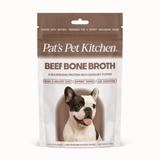
Mix with warm water to create a beef-flavoured drink or gravy. Most Great Danes love it.
Can be used alongside Pure Collagen or Mobility & Joints for additional collagen intake.
The Complete Great Dane Joint Protection Protocol
For Puppies (0-18 months) - CRITICAL PHASE
Daily:
1. Joint supplement
-
Pure Collagen: follow the weight bands on the pack as they grow
-
Start at 6 months when growth accelerates
2. Omega-3 fish oil
-
1,000-2,000mg EPA/DHA daily
3. Vitamin C
-
200mg daily
4. Controlled feeding (EXTREMELY IMPORTANT)
-
Feed large breed puppy food (slower growth rate)
-
Keep slightly lean (you should see ribs)
-
Never free-feed
-
Use measuring cup religiously
Studies show: Overfeeding during growth increases hip dysplasia risk by 50%.
5. Limited exercise
-
NO running on hard surfaces (concrete, asphalt)
-
NO jumping (on/off furniture, in/out of car)
-
NO stairs (until 12 months minimum)
-
Short, gentle lead walks (10-15 minutes, 2-3x daily)
-
Swimming is perfect (once confident)
The rule: 5 minutes of exercise per month of age, twice daily
-
4 months old = two 20-minute sessions maximum
-
8 months old = two 40-minute sessions maximum
6. No rough play
-
No playing with adult dogs (they'll be too rough)
-
No wrestling
-
Gentle play with similarly-sized puppies only
For Adults (18 months+)
Daily:
1. Joint supplement
-
Pure Collagen (prevention, no issues): 4 teaspoons (12g) daily for a dog over 31kg
-
Mobility & Joints (showing signs): 4 teaspoons (12g) daily for a dog over 31kg
2. Omega-3 fish oil
-
2,000-3,000mg EPA/DHA daily
3. Weight management (CRITICAL)
-
Weigh monthly
-
Adjust food immediately if gaining
-
Target weight:
-
Females: 45-60kg
-
Males: 55-80kg
-
You should easily feel ribs
Every extra 5kg = 20kg additional pressure on joints
4. Appropriate exercise
-
30-45 minute walks daily (on grass or soft surfaces when possible)
-
Swimming (zero impact, builds muscle)
-
NO jumping, NO stairs if showing any signs of issues
5. Raised food and water bowls
-
Reduces strain on neck and shoulders
-
Especially important for giant breeds
Home modifications:
Ramps:
-
Car ramp (essential)
-
Sofa ramp if they get up
Non-slip flooring:
-
Yoga mats on slippery floors
-
Prevents sudden slips that can injure joints
Orthopaedic bed:
-
Memory foam bed (£80-150)
-
Supports joints during rest
-
Reduces pressure points
The Growth Phase: Months 6-18
This is the highest-risk period for Great Danes.
What's happening:
-
Growing 5-10kg per month
-
Bones lengthening rapidly
-
Muscles, tendons, ligaments struggling to keep up
-
Growth plates still open (vulnerable to injury)
If growth conditions occur (panosteitis, HOD, OCD):
Work with your vet on:
-
Pain management (NSAIDs as needed)
-
Rest (crate rest if severe)
-
Continued supplementation
-
X-rays to monitor growth plates
Most growth conditions resolve after growth plates close (18-24 months), but they're painful during active phase.
This is why preventative supplementation starting at 6 months is so important.
When Surgery is Needed
Despite best efforts, some Great Danes need surgery:
Hip Dysplasia:
Total hip replacement (THR):
-
Cost: £5,000-8,000 per hip
-
Success rate: 90-95%
-
Recovery: 8-12 weeks
Femoral head ostectomy (FHO):
-
Not ideal for Great Danes (too heavy)
-
Better for dogs under 25kg
Elbow Dysplasia:
Arthroscopy:
-
Cost: £2,000-4,000
-
Removes fragmented pieces
-
Good for early-stage disease
OCD:
Surgical removal of cartilage flap:
-
Cost: £1,500-3,000
-
Best outcome if done early (under 12 months)
Wobblers:
Ventral slot surgery or dorsal laminectomy:
-
Cost: £4,000-8,000
-
Variable success (60-80%)
-
Depends on severity
Post-surgery:
Continue joint supplementation lifelong. Surgery fixes immediate problem but doesn't prevent arthritis development.
Choosing a Breeder
If you're getting a Great Dane puppy:
Questions to ask:
1. Hip and elbow scores of parents:
-
Both should be scored
-
Scores should be at or below breed median (hip: 18, elbow: 10)
-
Ask to see certificates
2. Wobblers in the line:
-
Has Wobblers appeared in parents, grandparents, or siblings?
-
Reputable breeders track this
3. Growth conditions:
-
Do puppies from previous litters develop panosteitis, HOD, or OCD?
-
Some lines are more prone than others
4. Lifespan of parents and grandparents:
-
Great Danes should live 8-10 years minimum
-
If relatives are dying at 5-6, there may be health issues in the line
Red flags:
-
Won't provide health clearances
-
Says "vet checked" without formal scoring
-
Breeds dogs under 2 years old (growth plates not closed)
-
Multiple litters per year
The Lifespan Reality
Great Danes have the shortest average lifespan of any breed: 6-8 years.
Why:
-
Heart problems (dilated cardiomyopathy)
-
Bloat (gastric dilatation-volvulus)
-
Cancer
-
Joint problems leading to decreased quality of life
With excellent care, some live 10-12 years.
Maximising lifespan:
-
Keep lean (obesity shortens lifespan dramatically)
-
Joint supplementation lifelong
-
Preventative vet care (every 6 months)
-
Bloat prevention strategies
-
Cardiac screening
Joint health directly impacts longevity.
Dogs with severe arthritis have reduced quality of life and shorter lifespans.
Your Gentle Giant Deserves Support
Great Danes are magnificent, but fragile.
Their size is their beauty and their burden.
With proper care:
-
Most grow without major problems
-
Those with issues can be managed
-
Preventative supplementation makes a measurable difference
Start protecting their joints today:
-
Assess their current risk (age, weight, symptoms)
-
Start appropriate supplementation
-
Control their weight strictly
-
Manage their exercise carefully
-
Work closely with your vet
They give you everything. Give them the support they need.
Sources & Further Reading
-
British Veterinary Association Hip Scheme Statistics: https://www.bva.co.uk/canine-health-schemes/hip-scheme/hip-scheme-statistics/
-
British Veterinary Association Elbow Scheme: https://www.bva.co.uk/canine-health-schemes/elbow-scheme/
-
Kealy RD, et al. "Effects of limited food consumption on hip dysplasia." JAVMA, 1992
-
da Costa RC. "Cervical spondylomyelopathy in large breed dogs." Veterinary Clinics of North America, 2010
-
Oesser S, et al. "Oral administration of 14C labeled gelatin hydrolysate." Journal of Nutrition, 1999
-
Clegg DO, et al. "Glucosamine, chondroitin sulfate for osteoarthritis." NEJM, 2006
-
Roush JK, et al. "Effects of omega-3 fatty acids." JAVMA, 2010
-
Kealy RD, et al. "Effects of diet restriction on life span." JAVMA, 2002
-
British Veterinary Orthopaedic Association: https://www.bvoa.org.uk/
-
Fleming JM, et al. "Mortality in North American dogs." Journal of Veterinary Internal Medicine, 2011
Last Updated: August 2026